Learn / Climate guides
A field guide to buying fresh air
Your weather changes
the shopping list.
A snowy night in Maine. A muggy afternoon in Georgia. The same need for fresh air, with different questions to ask before you buy.
Great Lakes · New England · northern interiors
Shop for the coldest night.
Winter humidity helps decide which core to compare. The frost-control sequence tells you what happens when the weather gets serious.

What moves up your shopping list
- The right core
Compare HRV and ERV options against your indoor humidity and condensation history.
- Air during defrost
Ask how the exact model changes outdoor airflow during frost protection.
- A winter-ready install
Get the drain, preheater, intake location and snow clearance in the scope.
“What happens to bedroom fresh-air delivery during a cold snap?”
Explore the field guides
Live between two patterns? Read both. Indoor humidity, your heating and cooling, and the route to the bedroom help narrow the answer.
 Cold & snowy
Shop for the coldest night.
Great Lakes · New England · northern interiors
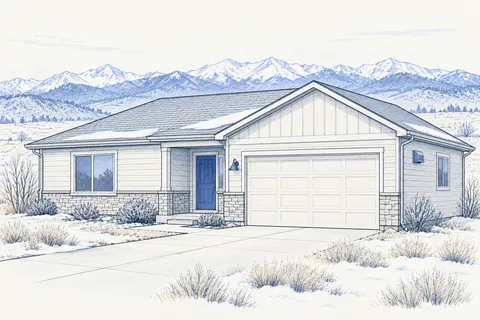 Dry & mountainous
Keep fresh air. Lose less moisture.
Denver · Front Range · dry high-country homes
 Hot & humid
Plan for the day the AC barely runs.
Gulf Coast · Southeast · humid coastal homes
 Four distinct seasons
Ask for two seasons in one quote.
Mid-Atlantic · many interior and transition regions
 Hot & dry
Start with how your home cools.
Phoenix · Las Vegas · desert Southwest
 Cool & coastal
Give the closed bedroom a route.
Seattle · Portland · coastal Pacific Northwest
Your house gets the final say.
Bring a few nights of CO₂ readings, an indoor humidity record, and a description of your existing heating and cooling. Ask the installer to explain the exact model, airflow, controls and installation scope using local design conditions.
These guides help you prepare for a local assessment. Each links to its technical sources; regional examples are not equipment sizing or building-code boundaries.