
The windows are shut against drizzle. The heat pump is keeping the room comfortable. Yet the bedroom feels close by morning. A ventilation proposal should explain how outdoor air gets all the way to that room.
Seattle, Portland and other mild marine locations are useful examples. This is not a rule for the entire Pacific coast: inland valleys, exposed coastal sites and higher elevations can need different designs.
Ask what problem the core is solving
Compare HRV and ERV proposals against your indoor humidity. An HRV exchanges heat. An ERV also transfers moisture. That difference deserves an explanation tied to your home, rather than a promise that either type is always right for the coast. HVI explains both systems.
Persistent wet windows are a clue to investigate, not a reason to order equipment sight unseen. Cold surfaces, indoor moisture and air movement all matter. University of Minnesota Extension's moisture guide explains why outdoor relative humidity alone can be misleading when thinking about indoor conditions.
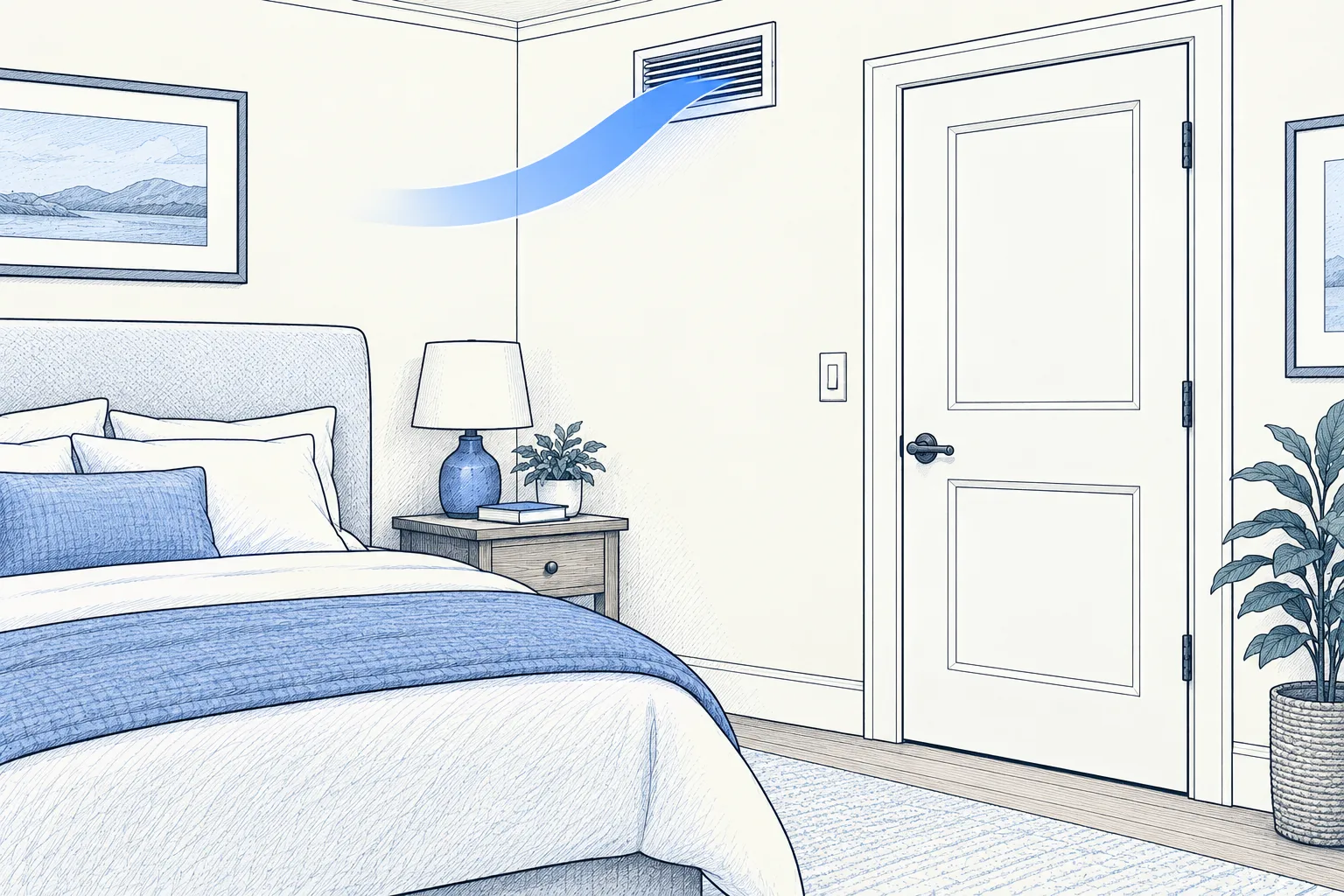
The room matters as much as the machine
Ask: “Can you show me the route for supply air and the route out when this bedroom door is closed?”
If the house uses ductless heat pumps, there may be no central duct system to borrow. A proposal needs to explain its own distribution approach. If there are existing ducts, ask whether they are suitable. DOE discusses these retrofit choices in its existing-home ventilation guide.
What to ask for in the quote
| Priority | Make the answer concrete |
|---|---|
| Moisture choice | Why an HRV or ERV suits your indoor readings and occupancy |
| Quiet nights | Unit location, proposed night speed and noise treatment near bedrooms |
| Room distribution | Supply and exhaust locations, including the closed-door air path |
| Service access | A filter change you can do without dismantling a closet |
| Seasonal operation | Normal ventilation, boost and the response to outdoor smoke |
If a proposal promises energy savings, ask what assumptions were used for your home and local weather. This guide does not estimate a payback period.
The demonstration to request
Before handover, have the installer show you the everyday setting, how to boost ventilation, how to replace the filter and how the planned smoke controls work. Ask for a measured airflow report and keep it with the model number and manual.
Then repeat the bedroom check with doors in their usual positions. If a room still performs poorly, bring the record back to the installer rather than simply running every fan faster.
Add smoke season to the plan
Wildfire smoke can affect marine climates too. Read the smoke and ventilation guide for the separate filtration and control questions to ask before buying.
Before you request a quote
- Log bedroom humidity and CO2 separately; note persistent window condensation.
- Identify your heating system and whether suitable ventilation ducts already exist.
- Ask for a room-by-room route, normal-speed noise expectations and a smoke-season operating plan.